

How PQM and G7+ Deliver Measurable ROI: Case Studies and Metrics for Brands and Printers
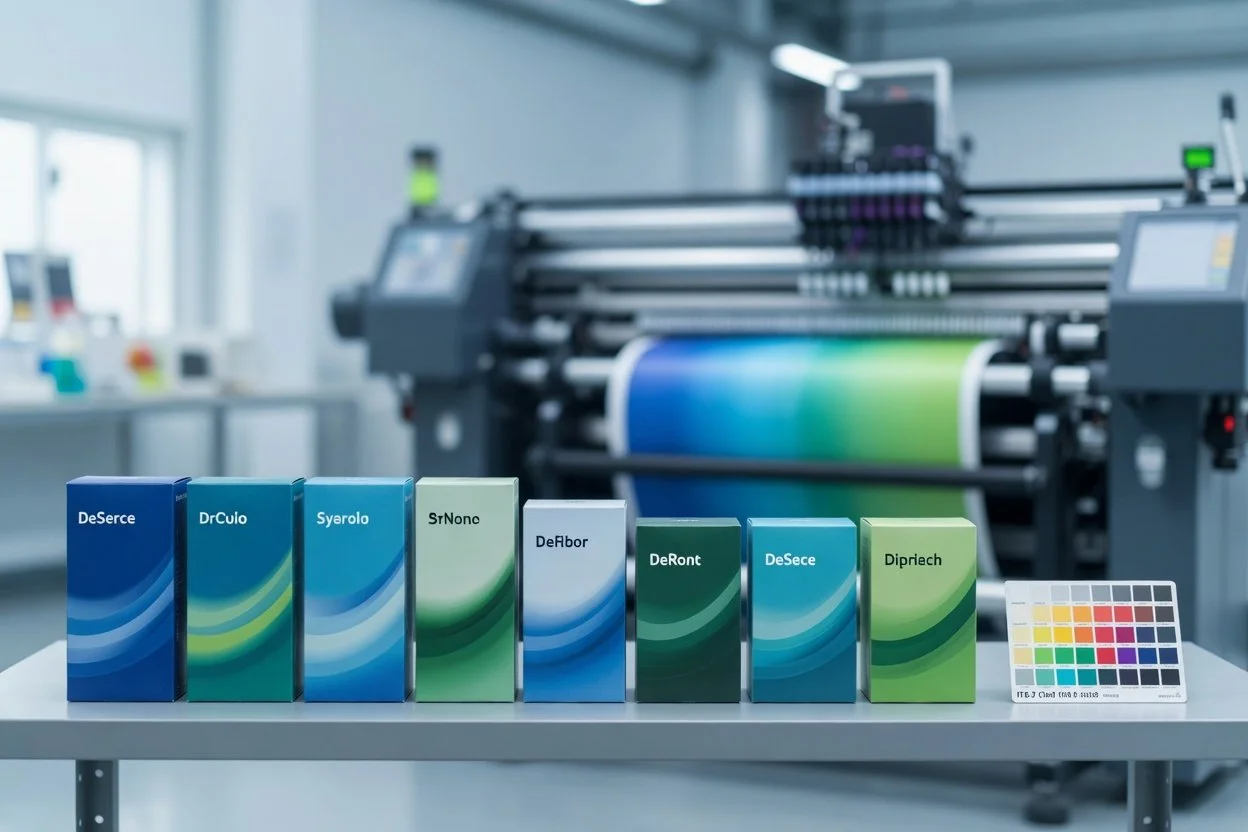
Consistent color isn’t just a technical objective. It is a business advantage that directly affects profitability, brand perception, and operational efficiency. When packaging color varies across suppliers or press runs, brands lose sales at retail and printers lose money through waste and inefficiency.
In our recent posts we introduced Print Quality Management (PQM) and discussed the updates to G7+ certification in 2026. Now it is time to examine the financial impact. At Mann & Co., we have implemented these programs with dozens of brands and printers. The results are measurable and often exceed expectations.
This article shares anonymized case studies and the key metrics we see across programs. It also explains how to evaluate the potential return for your own operation.
Understanding the True Cost of Color Variation
Without a structured system, color inconsistency creates hidden but substantial costs. Brands dealing with global supply chains frequently experience 8–15% rejection or rework rates on print runs. These issues lead to delayed launches, customer credits, and damaged shelf presence. For printers, the impact appears in extended makeready times, excess substrate and ink usage, and lost bidding opportunities on premium work.
Many companies accept these costs as “the way printing works.” PQM combined with G7+ changes that mindset by replacing subjective approvals with objective, data-driven standards. The result is faster production, fewer rejections, and stronger brand performance.
Printer Case Study: From High Variability to Predictable Profitability
Consider a mid-sized packaging printer in the Midwest operating six presses. Like many in the industry, they held G7 certification but still faced inconsistent results day to day.
Challenges before the program included average makeready times ranging from 45 to 60 minutes per job, color-related rejections reaching 12% of runs, and annual waste and rework costs from color variation totaling approximately $185,000. They also had difficulty winning contracts with brands that demanded tight global consistency.
We began with a comprehensive press fingerprinting process on their highest-volume presses, followed by G7+ calibration and implementation of ongoing PQM monitoring protocols. The program included regular verification runs, updated process targets, and training for press operators.
Results after six months were significant. Makeready time reduced to an average of 18–25 minutes, representing a 58% improvement. Color rejections dropped below 2%, and annualized waste savings reached $142,000. Press utilization increased by 11%, creating additional billable capacity.
The printer recovered the full investment in the program within four months. More importantly, they reported stronger win rates on new accounts, particularly from national brands seeking certified suppliers. The combination of fingerprinting data and G7+ compliance gave them a clear competitive edge in proposals.
Brand Case Study: Achieving Global Consistency at Scale
A national CPG brand in the personal care category faced a different but equally expensive challenge. Their packaging appeared across 14 suppliers worldwide, with noticeable variation in color and quality.
Before the program, they dealt with an average rejection or credit rate of 9% on incoming shipments, frequent shelf inconsistencies that consumer research linked to lower perceived quality, growing compliance risk on color-critical product claims, and time-consuming back-and-forth with printers during approval cycles.
The brand implemented a full PQM program that included documented supplier standards, a formal qualification process, quarterly performance audits, and a requirement for G7+ certification. We helped them establish clear tolerances, audit templates, and response protocols for any deviations.
Outcomes after full rollout were strong. Rejection rate fell to 1.8%. Annual savings on rework, credits, and scrap exceeded $310,000. Retail shelf audits showed a 27% improvement in consistency scores. They also achieved faster onboarding of new suppliers and reduced approval cycle times.
For this brand, consistent color shifted from a recurring headache to a competitive strength. Packaging now reinforces brand identity more reliably, supporting stronger sales performance at retail.
Key Improvements We Typically See
Across the programs we support, certain improvements appear with regularity. While exact results depend on starting conditions, volume, and execution discipline, we commonly observe makeready time reductions of 45 to 65 percent. Color-related rejections are typically reduced by 70 to 85 percent. Material waste decreases by 30 to 55 percent. First-time supplier approval rates often reach 85 to 95 percent. Overall press utilization gains range from 8 to 15 percent.
These gains compound over time. Lower waste and faster makeready improve margins directly. Higher consistency helps brands command stronger shelf presence and reduces costly surprises in the supply chain.
How to Calculate Your Own Potential ROI
One of the most common questions we receive is how to estimate returns before committing to a full program. The process is straightforward.
First, gather three to six months of historical data on makeready times, rejection rates, waste percentages, and any credits or returns tied to color issues. Multiply average job frequency by the per-job cost of each problem area.
Next, apply conservative improvement percentages based on the ranges above. Even at the lower end of those figures, most operations see clear payback within three to nine months.
We recommend starting with a baseline assessment — either a single-press fingerprint or a brand-wide consistency audit. These diagnostic steps usually identify enough opportunity to justify the broader implementation.
Why These Results Are More Achievable in 2026
The timing matters. G7+ introduces tighter tolerances and improved gray balance requirements that align particularly well with PQM monitoring. Modern measurement tools and cloud-based reporting also make ongoing verification simpler and less expensive than in previous years.
Printers who upgrade now position themselves for premium work as more brands adopt formal quality programs. Brands that implement PQM gain better control at a time when supply chain complexity continues to increase.
Bottom Line
When color moves from an unpredictable variable to a managed process, the financial returns arrive quickly and continue over time. The combination of press fingerprinting, G7+ methodology, and Print Quality Management delivers measurable improvements in both cost reduction and revenue potential.
Whether you are a printer seeking lower costs and stronger bids or a brand working to protect shelf presence across multiple suppliers, the path to better results is well established.
Ready to improve color consistency and see real ROI in your operation? Get in touch — we’re here to help.
Use the contact form or call us at (941) 259-2100.